 Reviews



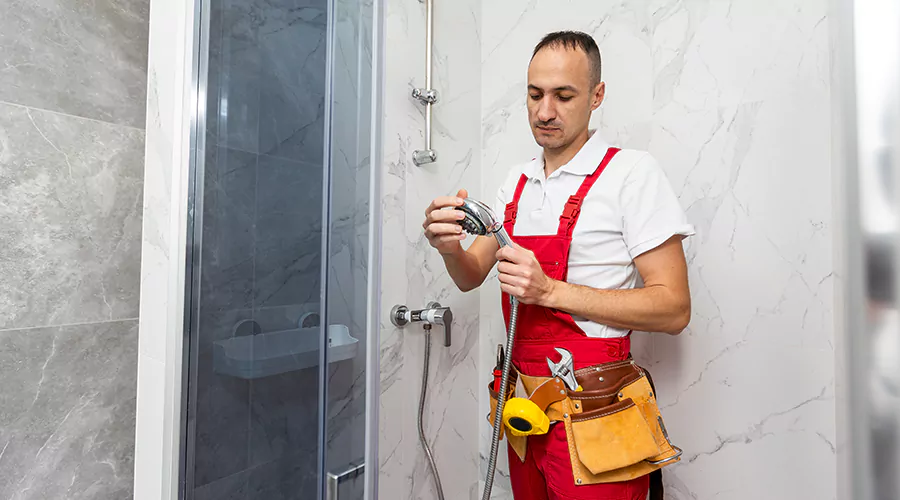
A shower faucet usually leaks because its internal valve cartridge can no longer shut off water completely. However, a showerhead that drips briefly after use may simply be releasing water remaining inside it. Professional shower faucet repair typically costs 75–200 in the United States in 2026.
The most important distinction is whether water continues flowing long after the shower has been switched off. Water around the shower handle also deserves attention because it may originate from a different part of the valve assembly.
What Are the Most Common Causes of a Shower Faucet Leak?
A shower system contains a control valve that regulates water flow and temperature. The showerhead distributes water but does not normally control the main water supply.
Leaks can originate from several components.
Common causes include:
- Worn valve cartridge: The main control valve no longer shuts off water completely.
- Damaged internal seals: Water escapes around the cartridge or valve stem.
- Loose showerhead connection: Water leaks at the threaded connection during use.
- Damaged showerhead gasket: The connection no longer seals correctly.
- Diverter problems: Water moves through an unintended outlet.
- Mineral deposits: Internal components become difficult to operate.
- Damaged concealed plumbing: Water escapes behind the finished shower wall.
Moen identifies the cartridge as a common cause of continuous shower leakage in several of its valve systems.
How Can You Identify the Source?
The location and timing of the leak help distinguish between normal drainage and a defective component.
| Symptom | Possible Cause | Initial Investigation |
|---|---|---|
| Brief dripping after shutoff | Remaining water inside showerhead | Observe whether dripping stops |
| Continuous dripping while off | Internal valve cartridge | Identify the valve model |
| Water around handle | Cartridge or valve seal | Inspect during use |
| Leak at showerhead connection | Washer or threaded connection | Inspect the joint |
| Water appears behind trim plate | Valve or concealed connection | Stop use and investigate |
| Showerhead runs while tub fills | Water-flow or valve configuration problem | Investigate the valve and piping |
Delta explains that water dripping from a showerhead for a short time after shutoff can be normal because the showerhead is emptying. A persistent leak is different.
How Does a Shower Faucet Leak Progress?
A shower leak can begin with occasional dripping and become more noticeable as the sealing components deteriorate.
A leak behind the wall creates a separate concern because water may damage surrounding materials before becoming visible.
| Stage | Typical Symptoms | Possible Consequence | 2026 Cost Reference |
|---|---|---|---|
| Initial | Short period of dripping | May be normal drainage | Usually no repair |
| Developing | Continued dripping after shutoff | Water waste | 75–200 shower faucet repair |
| Persistent | Continuous trickle | Internal valve failure | Depends on the valve |
| Concealed leak | Water behind wall | Damage to surrounding materials | Higher repair costs |
| Extensive | Wall or flooring damage | Restoration work | Depends on damage and access |
The EPA estimates that a showerhead leaking at ten drops per minute wastes more than 500 gallons annually. This figure applies to an ongoing leak rather than normal brief drainage after use.
What Warning Signs Indicate a Serious Shower Leak?
Shower leaks can develop gradually. Some symptoms point toward the showerhead, while others suggest that the valve or concealed plumbing deserves investigation.
Watch for these warning signs:
- Water continues dripping long after shutoff.
- The showerhead produces a continuous trickle.
- Water escapes around the control handle.
- The handle becomes difficult to operate.
- Water appears around the trim plate.
- The bathroom wall develops unexplained moisture.
- The showerhead connection leaks during use.
- Temperature control becomes inconsistent.
- Water comes from the wrong shower outlet.
- Dripping returns after an earlier cartridge replacement.
Unexplained moisture outside the shower enclosure is particularly concerning because the water may originate from plumbing behind the wall.
Why Does My Showerhead Drip After I Turn It Off?
A showerhead contains water after the main valve has been closed. Depending on its design and orientation, some of that water may continue draining for a short period. Delta's manufacturer guidance confirms that brief post-use dripping can simply be water leaving the showerhead.
To distinguish this from a continuous leak:
- Finish using the shower.
- Close the control handle normally.
- Observe the dripping.
- Record approximately how long it continues.
- Check whether the water eventually stops completely.
- Repeat the observation during the next shower.
Dripping that continues indefinitely suggests that the valve may still be allowing water through.
Can a Damaged Shower Cartridge Cause Continuous Dripping?
Yes. The cartridge controls water flow in many modern shower systems. When its internal seals deteriorate, the cartridge may continue passing water even when the handle is in the closed position. Different valve systems use different replacement cartridges. For example, Moen's PosiTemp system uses a different cartridge from its standard push-pull shower valve. Identify the valve manufacturer and model before purchasing replacement parts. Do not assume that cartridges from the same brand are interchangeable.
Why Is Water Leaking Around My Shower Handle?
Water escaping around the shower handle can indicate a problem with the cartridge or another internal sealing component However, water entering the trim area from an external source can sometimes produce a similar appearance. Begin by drying the handle and surrounding wall. Operate the shower briefly and observe where moisture first appears. If water escapes directly from the handle assembly, identify the valve system. Moen's troubleshooting guidance identifies cartridge problems as a cause of handle-area leakage in several of its shower valve designs. Do not remove internal valve components before shutting off the water supply.
Can the Showerhead Connection Cause a Leak?
A showerhead can leak at its threaded connection when the washer or joint no longer seals correctly. This type of leak normally appears while the shower is running. Inspect the joint where the showerhead attaches to the shower arm.
Look for:
- Water forming around the threaded connection.
- A damaged sealing washer.
- Loose or incorrectly installed components.
- A cracked showerhead body.
- Water escaping from an unintended seam.
The appropriate repair depends on the showerhead design. The EPA identifies connection tightening and appropriate thread-sealing tape as possible solutions for certain showerhead connection leaks. A cracked showerhead housing may require replacement rather than tightening.
What Is a Stacking Leak?
Stacking occurs when water enters the shower outlet even though the tub spout is supposed to receive the flow. It can occur in certain tub-and-shower configurations when the plumbing arrangement creates unwanted resistance. For example, a showerhead may drip while the bathtub spout is running. This is different from a cartridge that leaks when the main control valve is completely closed. Moen identifies stacking as a separate troubleshooting condition in its shower valve documentation. The correct diagnosis depends on when the unintended shower flow appears.
How Can You Test the Shower Leak Safely?
A staged test helps identify whether the problem involves the showerhead or the control valve.
Follow these steps:
- Dry the showerhead connection.
- Dry the control handle and trim.
- Turn on the shower.
- Inspect the connection near the showerhead.
- Check around the handle.
- Switch off the shower.
- Observe how long dripping continues.
- Inspect the surrounding wall for moisture.
If water is emerging from behind the trim or inside the wall, stop using the shower until the source has been investigated. Do not remove concealed plumbing connections during a basic diagnostic test.
How Much Does Shower Faucet Repair Cost in 2026?
Repair costs depend on the valve system and the location of the leak. Accessible component replacement generally costs less than repairs requiring access behind finished walls.
| Repair or Component | 2026 U.S. Cost |
|---|---|
| Replacement O-ring | 1–5 |
| Cartridge | 10–100 |
| Shower faucet repair | 75–200 |
| General faucet repair | 100–400 |
| Many broader bathroom leak repairs | 150–600 |
These figures reflect published 2026 U.S. pricing. Concealed plumbing damage or additional wall restoration can increase the total.
When Should You Call a Professional?
Professional assistance is appropriate when the shower leaks continuously despite correct component replacement or water appears behind the wall.
Seek additional help when:
- Continuous dripping persists after cartridge replacement.
- The valve cannot be isolated safely.
- Water escapes from concealed plumbing.
- The shower wall develops unexplained dampness.
- Internal components are severely corroded.
- A replacement cartridge cannot be correctly identified.
- Temperature control problems accompany the leak.
A concealed leak should not be treated as an ordinary showerhead connection problem.
How Can You Prevent Shower Faucet Leaks?
Regular inspection can help identify developing leaks before they become more serious.
Recommended maintenance includes:
- Clean accessible showerhead deposits.
- Inspect the showerhead connection periodically.
- Avoid forcing stiff control handles.
- Observe dripping after shutoff.
- Investigate moisture around the trim plate.
- Use model-specific replacement components.
- Check for visible signs of water damage.
A short observation after normal shower use can help distinguish harmless residual drainage from an ongoing leak.
Conclusion
If your shower faucet is leaking, begin by observing when and where water appears. Brief dripping after shutoff may simply be residual water leaving the showerhead. Continuous dripping commonly indicates an internal valve problem. Water around the handle or behind the wall needs separate investigation. Identify the valve model before replacing components. Persistent leaks or suspected concealed plumbing damage may require professional repair.
Frequently Asked Questions
Why does my shower drip after I turn it off?
The showerhead may be releasing remaining water. Continuous dripping can indicate a valve problem.
Can a shower cartridge cause leaking?
Yes. A worn cartridge may allow water to pass through the closed valve.
Why does my shower leak around the handle?
A damaged cartridge or internal sealing component may be responsible.
Is water dripping from the showerhead always a problem?
No. Brief drainage after shower use can be normal.
Can a shower leak damage the wall?
Yes. Water escaping from concealed plumbing can damage surrounding materials.